This Room is, for, and by the Youth: Re-drawing the Future of Politics, Economics, and Policy

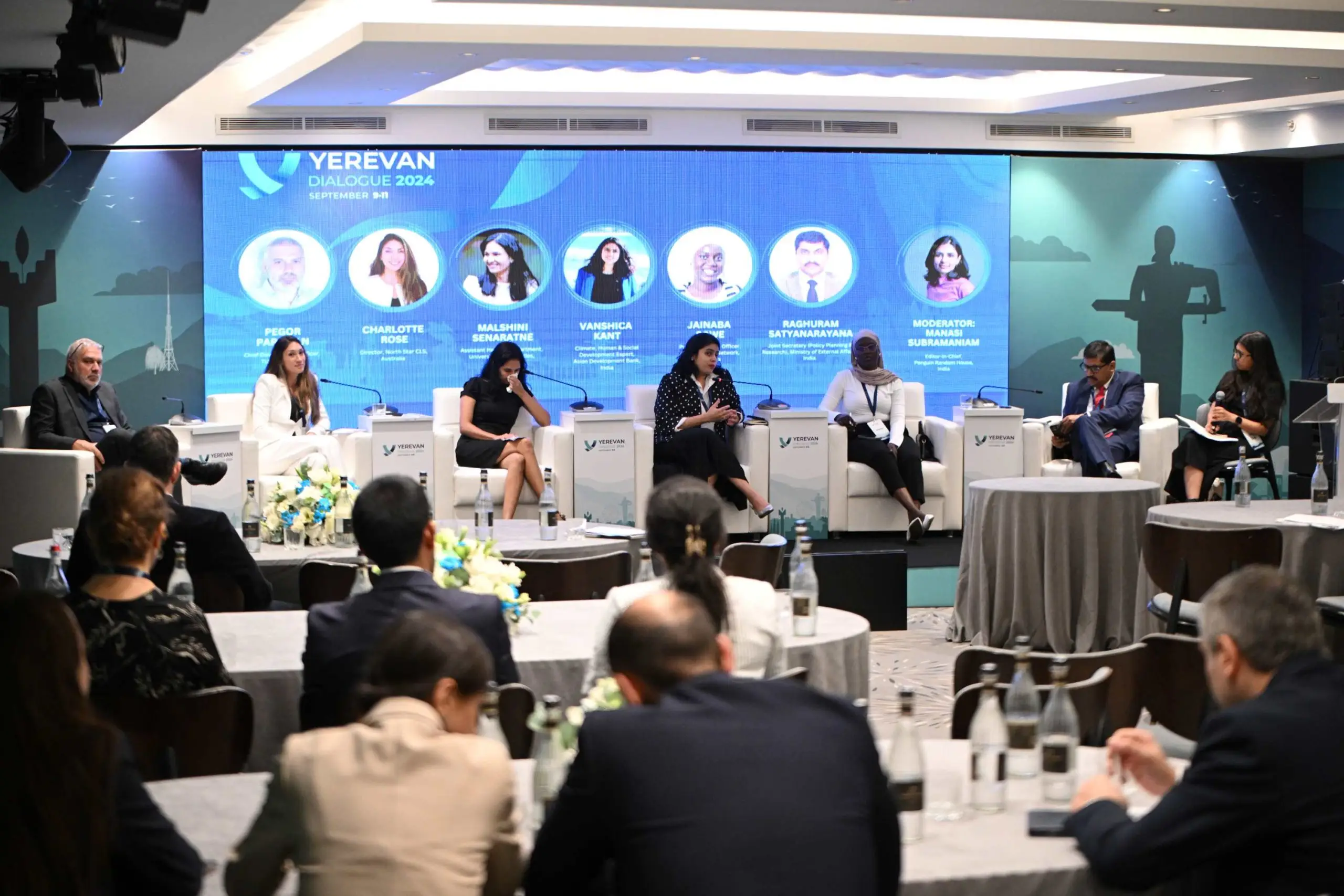
On September 10, another panel discussion within the framework of “Yerevan Dialogue” international forum focused on the pivotal role of youth in shaping the future. With approximately 1.8 billion people aged between 10 and 24 globally, this demographic represents a significant force for change and innovation.

Panelists discussed strategies for increasing youth representation in political and economic spheres and for ensuring that their voices are heard and their needs are addressed. The discussion explored how young people are increasingly engaged in global issues, further support for youth-led initiatives and global activism as powerful tools for societal change.

A Global Order in Churn: Seeking Solutions

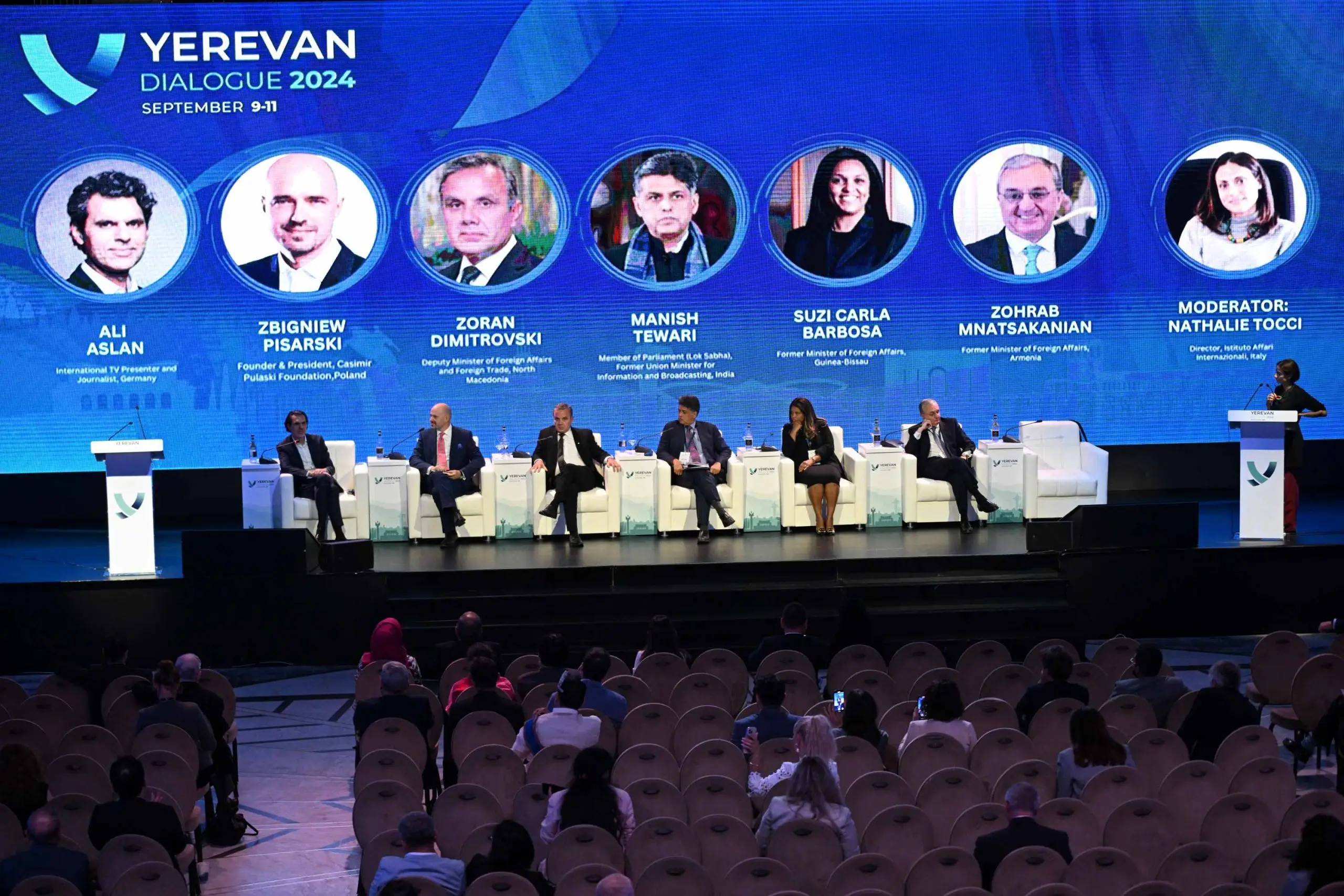
On September 10, within the frames of “Yerevan Dialogue” international forum, “A Global Order in Churn: Seeking Solutions,” panel discussion was held, bringing together politicians, leading experts in international relations, economics to address the pressing challenges and potential solutions for today’s turbulent global landscape.

Speakers addressed the international order, international law, discussing the conflicts in the world: in Ukraine, the Middle East, the South Caucasus. The discussion provided valuable insights into the current state of global affairs and the collaborative efforts needed to address the ongoing challenges.

Digital Public Infrastructure: Debating Best Practices for a Global Good

On September 10, within the frames of “Yerevan Dialogue” international forum, experts and scholars from Armenia, India, Belgium, Egypt, Italy and Australia discussed Digital Public Infrastructure (DPI), the adoption of which may speed up economic development by 33%. 

DPIs were touched upon as a fundamental pivot in accelerating the attainment of sustainable development goals, considering the pathways for international cooperation and foreground best practices as countries look to develop, build, and adopt DPIs for national transformation.

Geopolitics of Connectivity: From Competition to Collaboration

On September 10, within the frames of “Yerevan Dialogue” international forum, “Geopolitics of Connectivity: From Competition to Collaboration” panel discussion was held with participation of Vice President of the National Assembly of the Republic of Armenia Ruben Rubinyan and high-ranking officials from different countries. 

The ongoing fragmentation and geopolitical division, as well as sustainable and efficient infrastructure as an urgent necessity in the world were discussed, as the current situation in the world forced many states to redesign their strategies for economic cooperation and realign the supply chains. 

The participants touched upon the “Crossroads of Peace” project of the Armenian government aimed at promoting regional connectivity as countries are searching for new transport and economic opportunities, the South Caucasus can become a new transit hub between East and West, North and South.

South Caucasus at the Crossroads: Between Fragmentation and Cooperation

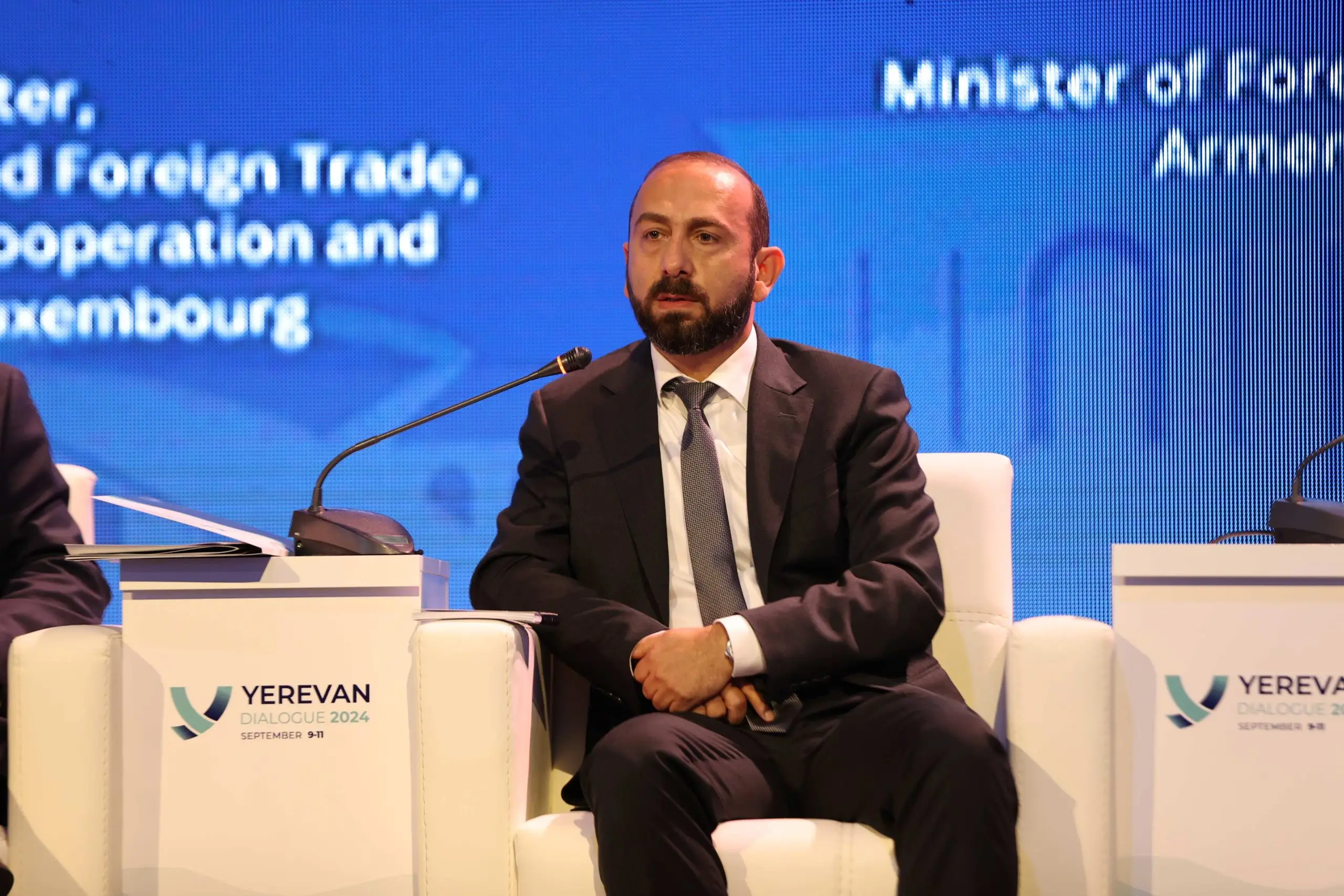
On September 10, Minister of Foreign Affairs Ararat Mirzoyan participated in the “South Caucasus at the Crossroads: Between Fragmentation and Cooperation” panel discussion in the frames of “Yerevan Dialogue” international forum with the participation of high-ranking officials from different countries. 

Ararat Mirzoyan emphasized that the region of South Caucasus as a crossroad of civilisations is an important part of geopolitical processes, a major trade pathway, and a cultural highway. Today, it can also serve as a connecting hub for interactions within the wider region, between Asia and Europe. Yet, the region’s potential as a hub for cooperation is not without obstacles. 

In this context, Ararat Mirzoyan stressed the fact that the “Crossroads of Peace” initiative developed by the Government of Armenia, with its goals and promising opportunities, can be an important component of the trade-economic cooperation and transport connectivity agenda.